Architects’ Approach to Sustainable Insulation in Modern Construction

Architects’ Approach to Sustainable Insulation in Modern Construction
Sustainability is no longer a buzzword in the American construction industry—it’s a necessity. As energy codes tighten and environmental awareness grows, insulation has become a central element in modern architectural design. For architects, the challenge is not only to meet technical standards but to create buildings that balance aesthetics, performance, and environmental responsibility.
Insulation as Part of the Design Vision
In the past, insulation was often treated as a technical afterthought, added late in the construction process. Today, architects integrate insulation strategies from the earliest design stages. This holistic approach considers the building’s orientation, local climate, material properties, and how occupants will use the space.
A well-insulated building is not only energy-efficient but also comfortable and quiet. Architects now design insulation as part of the building’s identity—through high-performance façades, insulated glazing systems, and roof assemblies that combine thermal protection with solar energy generation. The goal is to make insulation an active contributor to both comfort and design expression.
Natural and Recyclable Materials
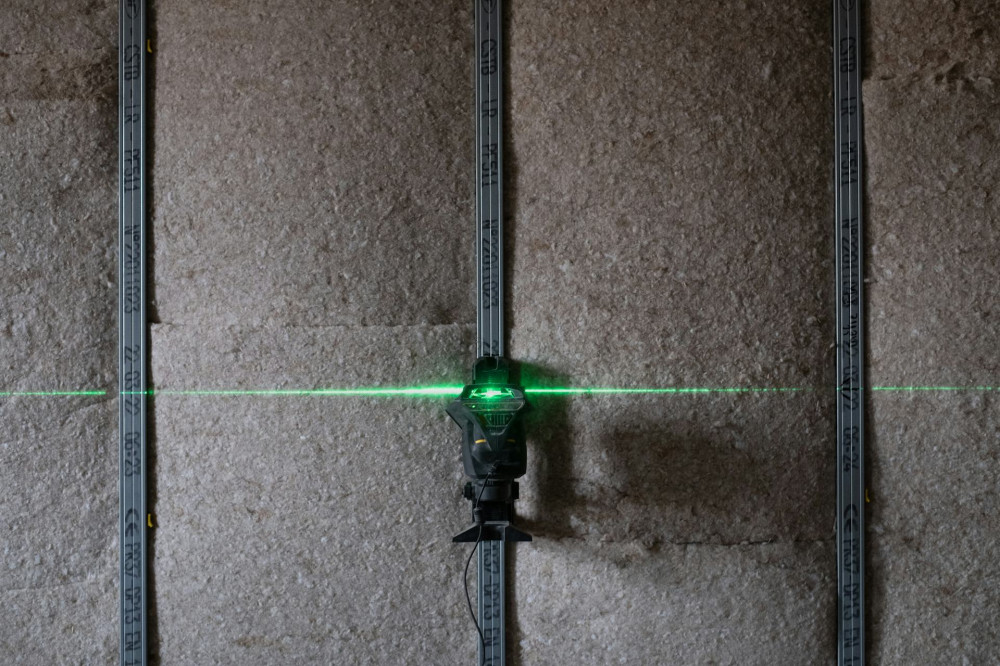
Material choice is at the heart of sustainable insulation. Many U.S. architects are turning toward natural and renewable materials such as cellulose, hemp, wool, and wood fiber. These options have a lower carbon footprint, are biodegradable, and can be reused or recycled at the end of a building’s life.
At the same time, innovation is driving the development of bio-based foams and composite panels that rival traditional materials like fiberglass and polystyrene in performance—while significantly reducing environmental impact. These new materials align with the growing demand for healthier indoor environments and reduced reliance on petrochemical products.
Integrated Energy Design
Sustainable insulation is about more than R-values and wall thickness. Architects increasingly adopt integrated energy design, where insulation, ventilation, daylighting, and heat recovery systems work together to minimize energy use.
The Passive House standard, which has gained traction in several U.S. states, exemplifies this approach. By combining airtight construction, super-insulated envelopes, and strategic solar gain, buildings can drastically reduce heating and cooling needs. For architects, the challenge lies in balancing energy efficiency with architectural quality—ensuring that sustainability enhances, rather than limits, design creativity.
Circular Thinking and Material Reuse
Circular economy principles are reshaping how architects think about building materials, including insulation. Designing for disassembly and reuse means that materials can be recovered and repurposed rather than discarded.
Some projects now incorporate recycled insulation products, such as cellulose made from post-consumer paper or panels derived from textile waste. Modular wall systems allow insulation to be replaced or upgraded without major demolition. This approach requires close collaboration between architects, engineers, and manufacturers—but it paves the way for buildings that evolve with minimal environmental cost.
Balancing Aesthetics and Performance
One of the ongoing challenges for architects is merging sustainable solutions with compelling design. Insulation must perform efficiently while complementing the building’s form and material palette.
Increasingly, insulation is becoming a visible design feature. Wood fiber panels or natural plasters can give façades a warm, organic texture, while green roofs and living walls provide both thermal benefits and ecological value. In this way, insulation becomes more than a hidden layer—it becomes part of the building’s architectural language.
The Future: Smart and Adaptive Insulation
Technological advances are opening new possibilities for intelligent insulation systems. Researchers are developing materials that adjust their thermal properties in response to temperature and humidity changes, improving comfort and efficiency throughout the year.
Digital modeling tools now allow architects to simulate energy performance in real time, optimizing insulation strategies during the design phase. The combination of data-driven design, natural materials, and aesthetic innovation points toward a future where sustainable insulation is seamlessly integrated into every aspect of architecture.
A New Standard for Responsible Building
Ultimately, architects’ approach to sustainable insulation reflects a broader sense of responsibility—to the environment, to building users, and to future generations. By treating insulation as a fundamental design element rather than a technical requirement, architects are shaping buildings that conserve energy, enhance well-being, and inspire a more sustainable way of living.
Sustainable insulation is no longer a compromise between efficiency and beauty—it is the foundation of a new architectural standard for responsible, forward-thinking design.