Comfort and Energy Savings in Older Homes

Comfort and Energy Savings in Older Homes
Older homes often have a unique charm—solid craftsmanship, beautiful details, and a sense of history that newer houses rarely match. But they can also be challenging when it comes to comfort and energy efficiency. Drafts, cold floors, and high utility bills are familiar issues for many homeowners. Fortunately, there are many ways to improve both comfort and energy performance without sacrificing the character of your home.
Understanding Your Home’s Starting Point
Before making any upgrades, it’s important to understand how your home was built and where it may be losing energy. Older houses often use different materials and construction methods than modern ones, so changes should be made carefully.
Start with a home energy audit—many utility companies and state energy programs offer them at low or no cost. An auditor can identify where heat escapes and which improvements will have the biggest impact. In most older homes, the main culprits are the attic, exterior walls, windows, and floors.
Insulation with Care
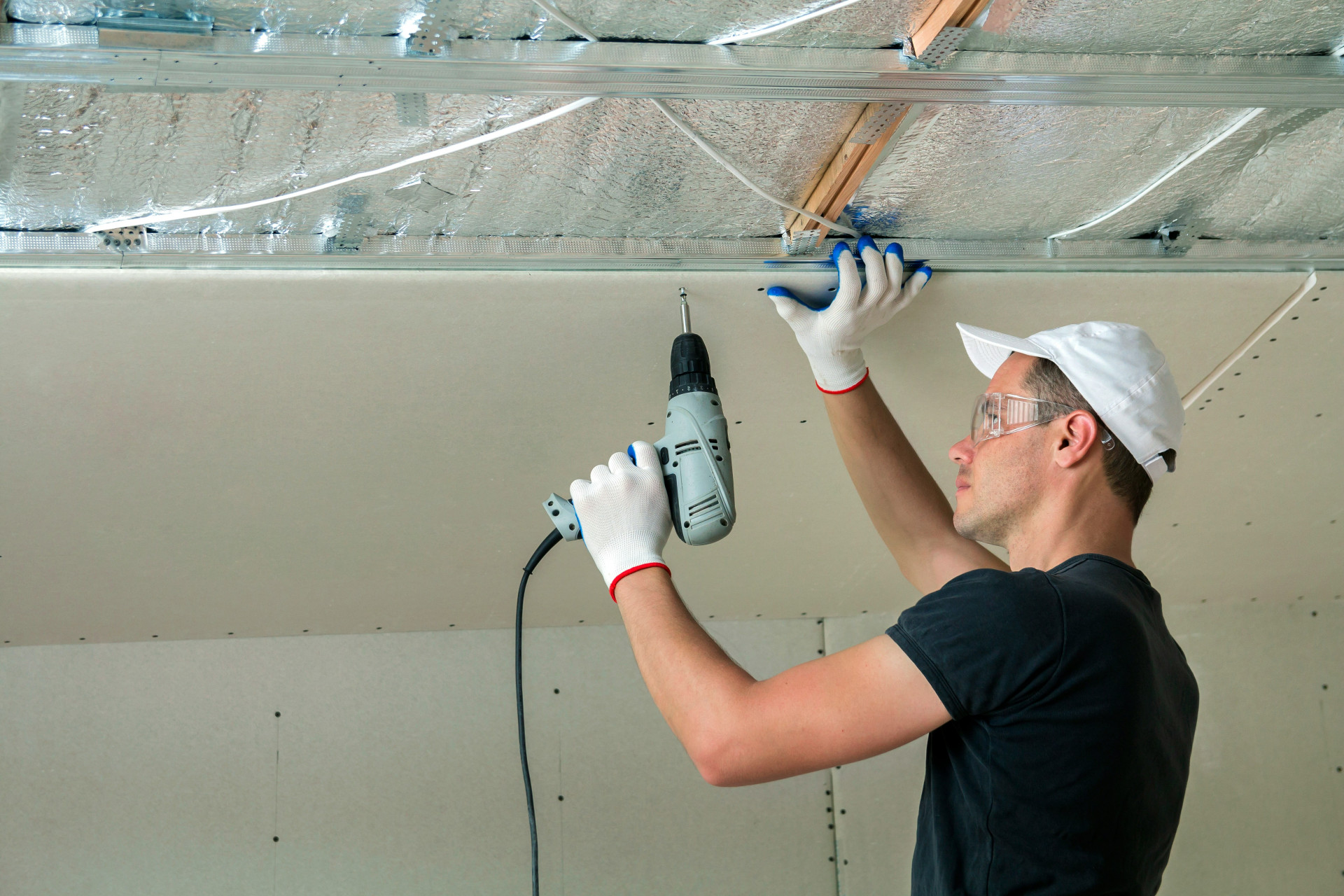
Insulation is one of the most effective ways to save energy, but in older homes it must be done thoughtfully. The wrong approach can trap moisture and damage the structure.
- Attic insulation is usually the best place to start. Adding insulation here can significantly reduce heat loss without altering the home’s appearance.
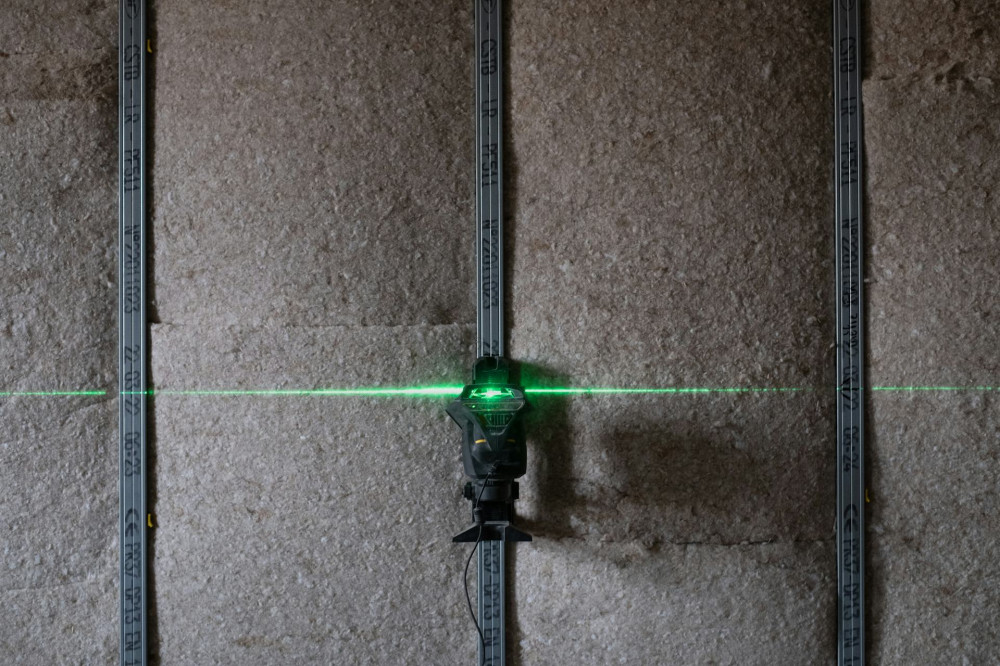
- Wall insulation requires more caution. Exterior insulation can change the look of the house, while interior insulation can create condensation issues if not done properly. Consult a contractor experienced with historic or older homes.
- Floor insulation over unheated basements or crawl spaces can make a big difference in comfort and energy use.
Choose materials that suit the age and construction of your home—such as breathable insulation that allows moisture to move naturally through walls.
Windows: Repair or Replace?
Old windows are often beautiful but can be drafty and inefficient. Before replacing them, consider whether they can be restored. Many older windows are made from high-quality wood and can last for decades with proper maintenance.
You can:
- Add weatherstripping to reduce drafts.
- Install storm windows to improve insulation while preserving the original frames.
- Replace single panes with energy-efficient glass if the frames are in good condition.
If the windows are beyond repair, new ones designed to match the home’s style can be a worthwhile investment—especially if they meet ENERGY STAR® standards.
Heating, Cooling, and Smart Controls
Even the best insulation won’t help much if your heating or cooling system is outdated. Many older homes still rely on inefficient furnaces or boilers.
Consider:
- Upgrading to a heat pump, which provides both heating and cooling and can dramatically cut energy use.
- Installing programmable or smart thermostats to control temperatures room by room.
- Balancing your system so that heat and air circulate evenly throughout the house.
Modern systems not only save energy but also provide more consistent comfort year-round.
Ventilation and Indoor Air Quality
When you tighten and insulate an older home, it’s essential to maintain good ventilation. A sealed house without proper airflow can lead to moisture buildup and poor indoor air quality.
A heat recovery ventilation (HRV) system or energy recovery ventilation (ERV) system can be an excellent solution. These systems bring in fresh air while capturing heat from the outgoing air. If that’s not an option, make sure to air out your home regularly—especially in kitchens, bathrooms, and bedrooms.
Small Changes, Big Impact
Not every improvement requires a major renovation. Simple steps can also make a noticeable difference:
- Add door and window seals to stop drafts.
- Use heavy curtains to retain heat at night.
- Place area rugs on cold floors.
- Switch to LED lighting and ENERGY STAR® appliances.
These smaller upgrades can complement larger projects and help lower your energy bills.
Preserve the Character—Enhance the Comfort
Improving an older home’s energy efficiency isn’t just about technology—it’s about balance. The best solutions respect the home’s history while bringing it up to modern comfort standards. With careful planning and the right materials, you can create a home that feels warm, healthy, and true to its original character—while using far less energy.