Digitalization and Energy Optimization: New Opportunities for a More Efficient Home

Digitalization and Energy Optimization: New Opportunities for a More Efficient Home
Digital technology is transforming American homes at a rapid pace. From smart thermostats and automated lighting to real-time energy monitoring, innovation is giving homeowners new ways to live more comfortably and sustainably. But how exactly can digitalization help you optimize your home’s energy use, and which solutions make the most sense for everyday life?
Smart Systems That Think for You
One of the biggest advances in home energy efficiency comes from smart home systems. These systems connect your home’s heating, cooling, lighting, and appliances into one network that you can control through an app or voice commands.
A smart thermostat, for example, can detect when you’re home and automatically adjust the temperature when you leave. It can also learn your habits and respond to weather changes, ensuring your home stays comfortable while minimizing energy waste.
Similarly, intelligent lighting systems can turn off lights in empty rooms or adjust brightness based on natural daylight. This not only saves electricity but also extends the life of your bulbs.
Data as the Key to Savings
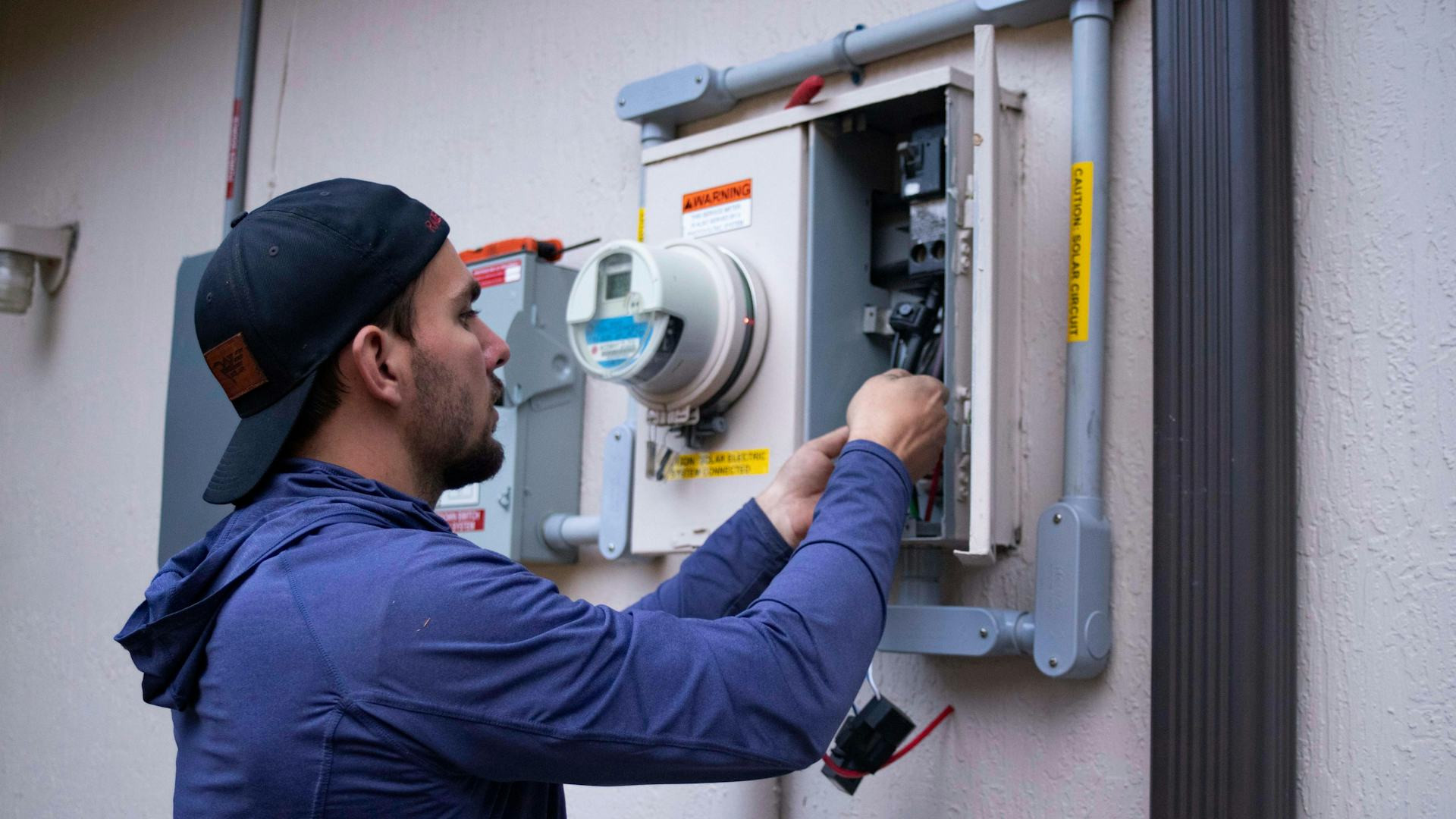
Digitalization isn’t just about control—it’s also about insight. With modern energy meters and monitoring tools, you can track your energy use in real time and see exactly where your power is going.
Many U.S. utility companies now offer apps that show your hourly energy consumption. This makes it easier to spot unnecessary standby power or appliances that use more energy than expected. Some systems even provide personalized recommendations, such as running your dishwasher or laundry during off-peak hours when electricity rates are lower.
When you understand your consumption patterns, it becomes much easier to make informed choices that benefit both your wallet and the environment.
Integration with Renewable Energy
A digital home is also better equipped to take advantage of renewable energy sources. If you have solar panels, an intelligent energy management system can ensure that the electricity you generate is used efficiently—for example, by charging your electric vehicle or heating water during the day when the sun is shining.
This reduces your dependence on the grid and helps you make the most of your own clean energy. In the future, more American neighborhoods may form local energy communities, where households share surplus power digitally. It’s a step toward a more flexible and sustainable energy system.
Comfort and Sustainability in Balance
One of the greatest benefits of digital energy optimization is that it combines comfort and sustainability. You don’t have to choose between a cozy home and a lower energy bill—technology can help you achieve both.
Automated blinds can let in sunlight during winter to naturally warm your home, while keeping heat out in the summer. Sensors can ensure that ventilation runs only when air quality requires it. These small adjustments add up to noticeable savings over time.
How to Get Started
If you’re ready to digitalize and optimize your home’s energy use, start with a plan:
- Assess your current energy use. Review data from your utility provider or smart meter to identify where you can save the most.
- Choose the right solutions for your needs. This could range from a single smart thermostat to a fully integrated home system.
- Think holistically. The more your systems can communicate with each other, the greater the overall efficiency.
- Prioritize security. A connected home also requires attention to data protection and regular software updates.
Many U.S. energy providers, state programs, and local utilities offer rebates or incentives for smart home and energy-efficient upgrades, making it easier to get started.
The Future Home Is Intelligent
Digitalization is changing not only how we use energy but also how we relate to it. Where we once simply turned things on and off, we can now monitor, analyze, and optimize in real time. This new level of awareness and control can make a real difference for both the climate and your household budget.
The home of the future won’t necessarily be bigger or more complex—but it will be smarter. And it all begins with the small steps you take today.