Economic Sustainability in the Home – Think Holistically

Economic Sustainability in the Home – Think Holistically
When we talk about sustainability at home, the conversation often centers on energy efficiency, insulation, and eco-friendly upgrades. But economic sustainability is about more than just lowering your utility bills. It’s about thinking holistically—creating a home that is financially responsible, environmentally sound, and built to last. A financially sustainable home isn’t necessarily the cheapest option today, but the one that delivers the most value over time.
Think in Life Cycles – Not Just in Price Tags
When making decisions about your home, it’s tempting to choose the least expensive option upfront. But economic sustainability means looking at the full life cycle of your choices. A low-cost window that needs replacing in ten years may end up costing more than a high-quality one that lasts thirty.
The same principle applies to materials, systems, and appliances. Choosing products with long lifespans, low energy consumption, and repairable components is an investment in both financial and environmental sustainability. It’s about spending wisely, not just spending less.
Energy Upgrades as Investments
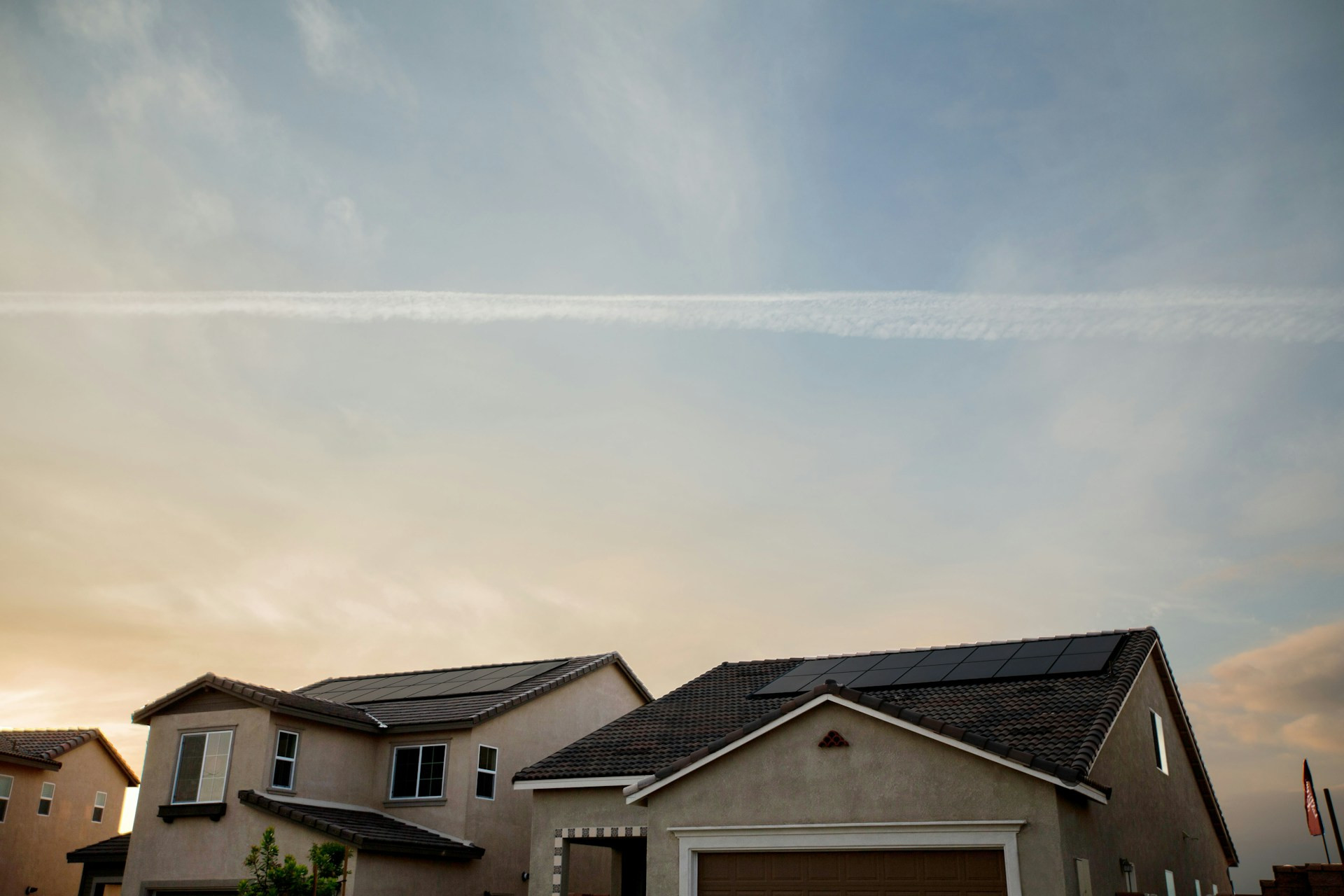
Energy efficiency improvements are one of the most effective ways to make your home more economically sustainable. Upgrading insulation, sealing air leaks, replacing old windows, or installing a heat pump or solar panels can seem expensive at first—but these investments often pay for themselves through lower energy bills and increased comfort.
Start by identifying which upgrades will have the biggest impact in your home. Energy audits, often subsidized by local utilities or state programs, can help you prioritize. Also, explore federal and state tax credits or rebates for energy-efficient improvements—they can make your investment much more affordable.
Maintenance – The Overlooked Financial Factor
A well-maintained home is a financially sustainable one. Regular upkeep prevents small issues from turning into costly repairs. Cleaning gutters, checking seals, servicing HVAC systems, and inspecting roofs may not be glamorous, but they save money in the long run.
Create an annual maintenance plan and set aside funds in a dedicated home account. This approach provides peace of mind and helps preserve your home’s value over time.
Right-Sizing Your Home
Economic sustainability also means living in a home that fits your needs. A larger house may seem appealing, but it comes with higher costs for heating, cooling, maintenance, and property taxes. Consider whether your current space matches your lifestyle—and whether you could live more efficiently in a smaller footprint.
Flexible design solutions, such as multipurpose rooms, movable partitions, or finished basements and attics, can help you make the most of the space you already have. It’s about using your home smarter, not necessarily making it bigger.
Green Choices That Save Money
Many sustainable choices are also financially smart. Solar panels, rainwater collection systems, and Energy Star–rated appliances reduce both environmental impact and operating costs. They can also increase your home’s resale value.
Daily habits matter too: turn off lights and electronics when not in use, switch to LED bulbs, wash clothes in cold water, and use programmable thermostats. Small changes, repeated over time, can make a big difference for both your wallet and the planet.
Holistic Thinking Brings Stability
Ultimately, economic sustainability at home is about security and resilience. When you think holistically—from materials and energy use to maintenance and lifestyle—you create a home that can weather both financial fluctuations and environmental challenges.
You don’t have to do everything at once. The key is to make conscious, forward-looking choices that move you in the right direction. Step by step, you can build a home that’s healthy for your finances, your environment, and the people who live in it.