Extend the Lifespan of Your Kitchen Floor with Proper Use

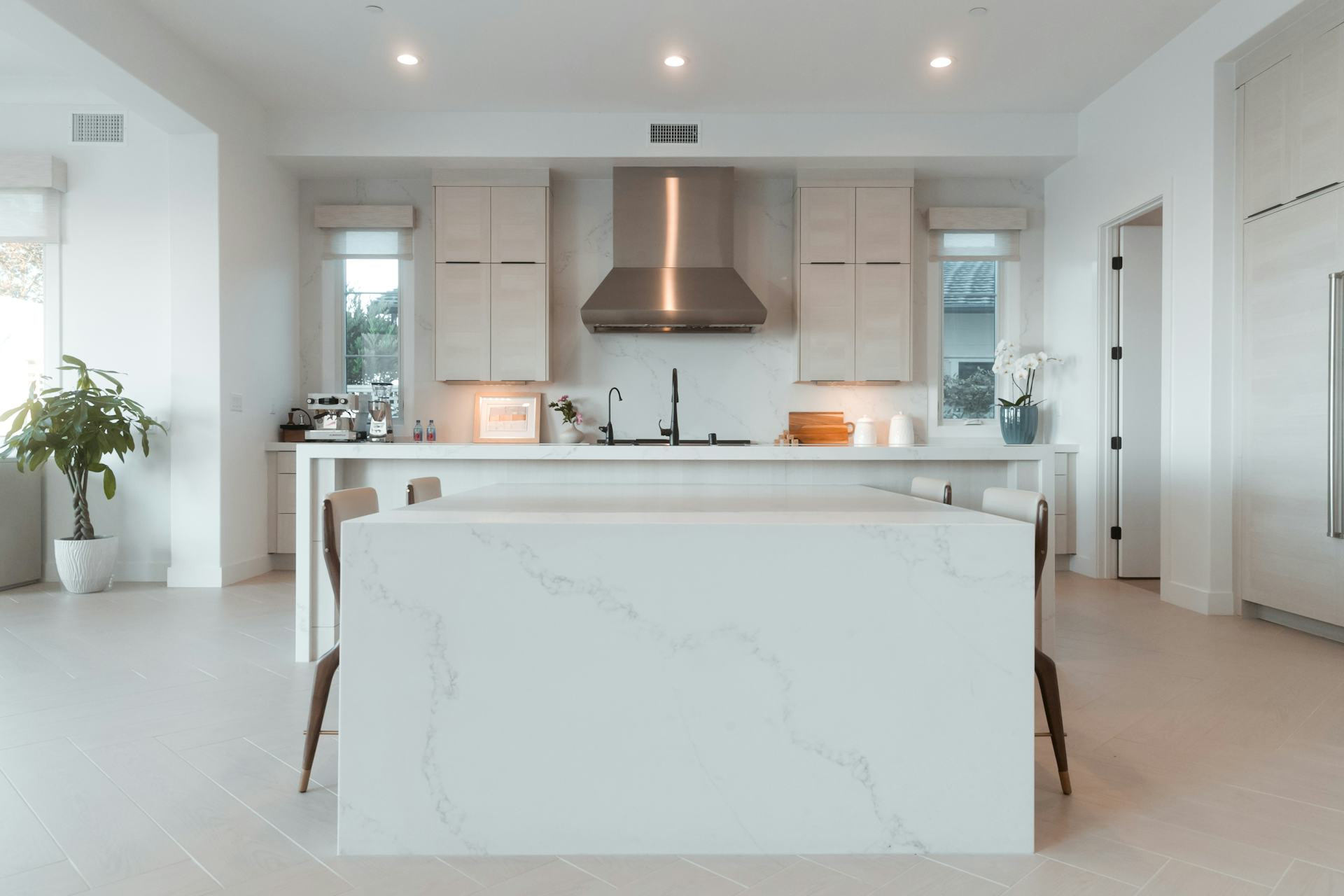
Extend the Lifespan of Your Kitchen Floor with Proper Use
The kitchen is one of the busiest rooms in any American home. Between cooking, cleaning, and family gatherings, the floor takes a daily beating from spills, dropped utensils, and constant foot traffic. Whether your kitchen floor is hardwood, vinyl, laminate, or tile, proper use and maintenance can dramatically extend its lifespan and keep it looking great for years. Here’s how to take care of your kitchen floor the right way.
Know Your Floor – and What It Needs
The first step to protecting your kitchen floor is understanding what it’s made of. Each material has its own strengths and weaknesses:
- Hardwood: Warm and timeless, but sensitive to moisture and scratches. Needs regular cleaning with wood-safe products and occasional refinishing or oiling.
- Vinyl: Durable and water-resistant, but can be damaged by sharp objects or harsh chemicals.
- Laminate: Affordable and tough, but not waterproof. Wipe up spills quickly to prevent swelling or warping.
- Tile: Extremely resilient, but grout lines can stain or discolor if not properly sealed and cleaned.
Once you know your floor type, you can choose the right cleaning products and avoid treatments that might shorten its life.
Prevent Everyday Wear and Tear
The best way to make your kitchen floor last is to prevent damage before it happens. Small habits can make a big difference:
- Use mats or rugs near sinks, stoves, and entryways to catch water and dirt.
- Add felt pads under chairs, stools, and tables to prevent scratches.
- Avoid high heels and dragging heavy furniture across the floor.
- Wipe up spills immediately, especially on wood and laminate.
- Lift, don’t slide, when moving appliances or furniture.
These simple steps protect the surface from unnecessary wear and make cleaning easier.
Clean with Care
Improper cleaning can wear down a floor faster than daily use. Always use gentle cleaners and avoid soaking the surface with water.
- Hardwood floors should be cleaned with a damp (not wet) mop and a cleaner designed for wood. Too much water can cause swelling or cracks.
- Vinyl and laminate floors can be wiped with a slightly damp mop and a mild, pH-neutral cleaner. Avoid ammonia, bleach, or wax-based products.
- Tile floors can handle regular mopping with warm water and mild detergent, but don’t forget to scrub the grout occasionally to prevent buildup.
A consistent weekly cleaning routine keeps your floor looking fresh and prevents dirt and grease from dulling the finish.
Maintain and Refresh Over Time
Even the toughest floors need a little extra care now and then. Plan for seasonal or annual maintenance depending on your floor type.
- Oiled or waxed hardwood should be re-oiled when the surface starts to look dry or dull.
- Sealed or polyurethane-coated wood can be refreshed with a polish or protective finish.
- Vinyl floors can benefit from a specialized floor polish that restores shine and adds a protective layer.
- Tile floors may need grout resealing every year or two to prevent staining.
Regular maintenance not only extends the life of your floor but also keeps it looking as good as the day it was installed.
Design with Durability in Mind
Your kitchen floor has to handle a lot, but smart design choices can reduce wear. Place anti-fatigue mats or rugs in high-use areas like in front of the sink or stove. They protect the floor and make standing more comfortable.
If you’re planning a remodel, choose a flooring material that fits your lifestyle. For example, a busy household with kids and pets might prefer waterproof vinyl or tile, while a smaller household might enjoy the warmth of hardwood with proper care.
A Kitchen Floor That Lasts for Years
Every kitchen floor will show signs of use over time, but with the right habits, cleaning, and maintenance, you can extend its lifespan significantly. By combining prevention, gentle cleaning, and regular upkeep, you’ll enjoy a kitchen floor that not only looks beautiful but also stands up to everyday life—year after year.