Fresh Air in the Closet – How to Ensure Good Ventilation

Fresh Air in the Closet – How to Ensure Good Ventilation
A closet isn’t just for storage – it’s part of your home’s living environment. Poor ventilation can lead to musty smells, excess moisture, and even mold, which can damage your clothes and affect indoor air quality. The good news is that with a few simple adjustments, you can keep the air in your closet fresh and your wardrobe in great condition. Here’s how to create a healthy, well-ventilated closet space.
Why Ventilation Matters
Clothes, shoes, and fabrics naturally trap moisture, especially after being worn. When these items are stored in a closed space, humidity builds up. Over time, that trapped moisture can cause mildew, unpleasant odors, and even fabric deterioration.
Proper ventilation allows air to circulate, helping moisture evaporate and preventing stagnant air. Whether you rely on natural airflow or mechanical solutions, the goal is the same: to keep your closet breathing.
Start by Making Space
An overcrowded closet is one of the main culprits behind poor air circulation. When clothes are packed too tightly, air can’t move freely, and moisture lingers.
- Declutter regularly – donate or store items you don’t wear often.
- Leave space between hangers – a couple of inches between garments helps air flow.
- Use open shelving if possible – it allows air to move more easily than closed cabinets.
Even small changes can make a noticeable difference in how your closet smells and feels.
Take Advantage of Natural Airflow
If your closet is near a window or an air vent, you can use natural ventilation to your advantage.
- Keep the closet door open occasionally, especially after showers or laundry days when humidity is high.
- Open nearby windows for a few minutes each day to refresh the air.
- Avoid placing closets against exterior walls that tend to get cold and collect condensation.
Natural ventilation is free, effective, and easy to maintain with a little daily attention.
Consider Mechanical Ventilation
In many modern American homes, closets are built into interior spaces without windows or vents. In these cases, mechanical ventilation can make a big difference.
- Install a small wall or ceiling fan to keep air moving continuously.
- Add vent grilles to closet doors or walls to connect the space with the rest of the room’s airflow.
- Use a dehumidifier in basements or humid climates to reduce moisture levels.
The key is to ensure that air can circulate even when the closet door is closed.
Make Sure Clothes Are Completely Dry
Even the best ventilation won’t help if damp clothes are stored inside. Moisture from wet fabrics is the fastest way to create odor and mold.
- Air out clothes after wearing, especially outerwear and gym clothes.
- Dry shoes thoroughly before putting them away – newspaper or a shoe dryer can help.
- Use cedar blocks or moisture absorbers to keep humidity and odors under control.
A few extra minutes of drying time can save you from long-term damage to your wardrobe.
Simple Tricks for Year-Round Freshness
You don’t need expensive equipment to keep your closet smelling clean and fresh. Try these easy ideas:
- Place a bowl of baking soda or activated charcoal on a shelf to absorb moisture and odors.
- Use lavender sachets or cedar chips for a pleasant, natural scent.
- Dust shelves and walls regularly – dust traps moisture and can make the air feel heavy.
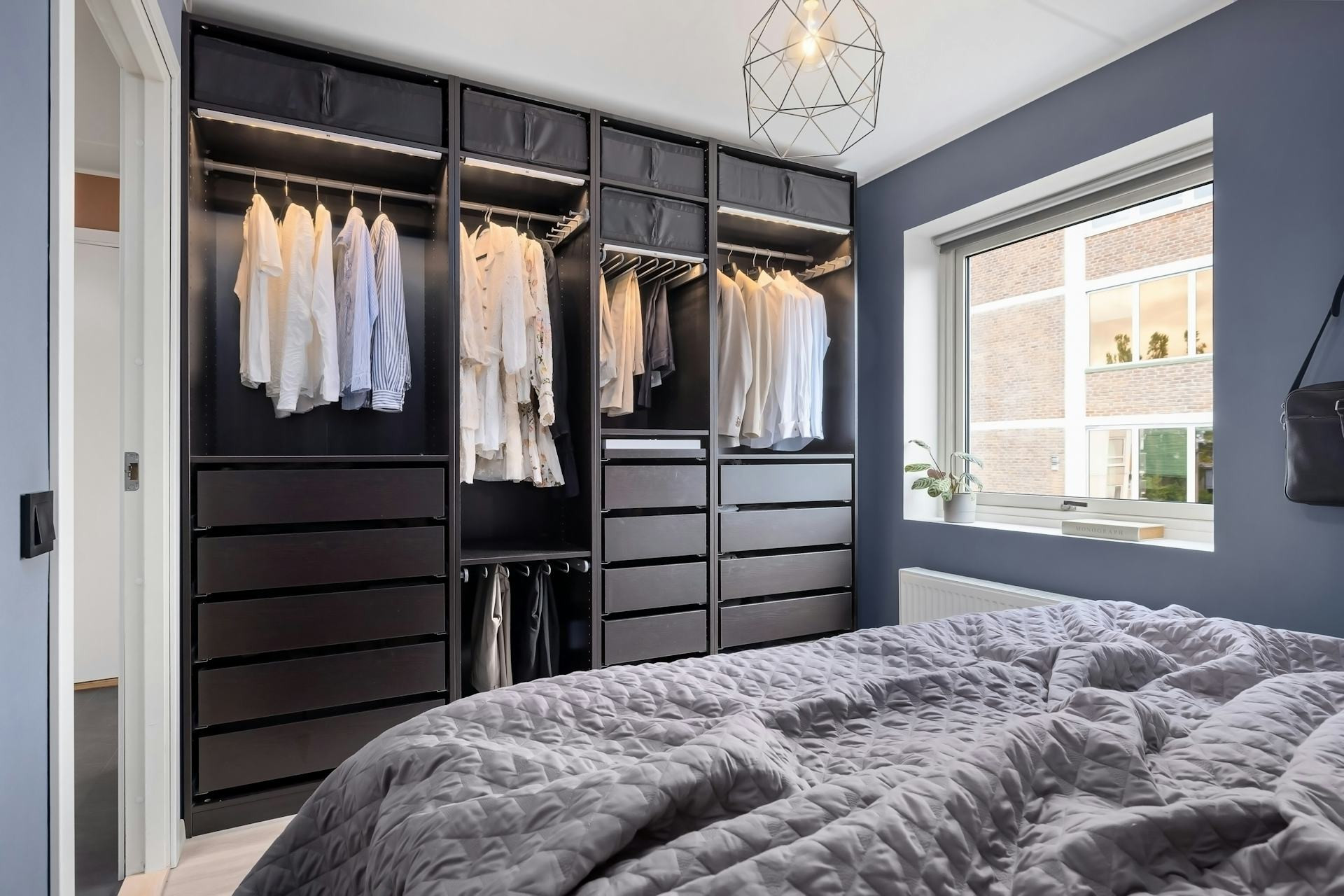
- If space allows, consider an open closet design for better airflow and a modern look.
A Fresh Closet Is a Healthy Closet
Good ventilation isn’t just about comfort – it protects your clothes and contributes to a healthier home. By keeping moisture and odors at bay, you’ll extend the life of your wardrobe and reduce the need for frequent washing or dry cleaning.
With a bit of care and a few practical solutions, you can ensure that your closet always feels fresh, clean, and ready for whatever the season brings.