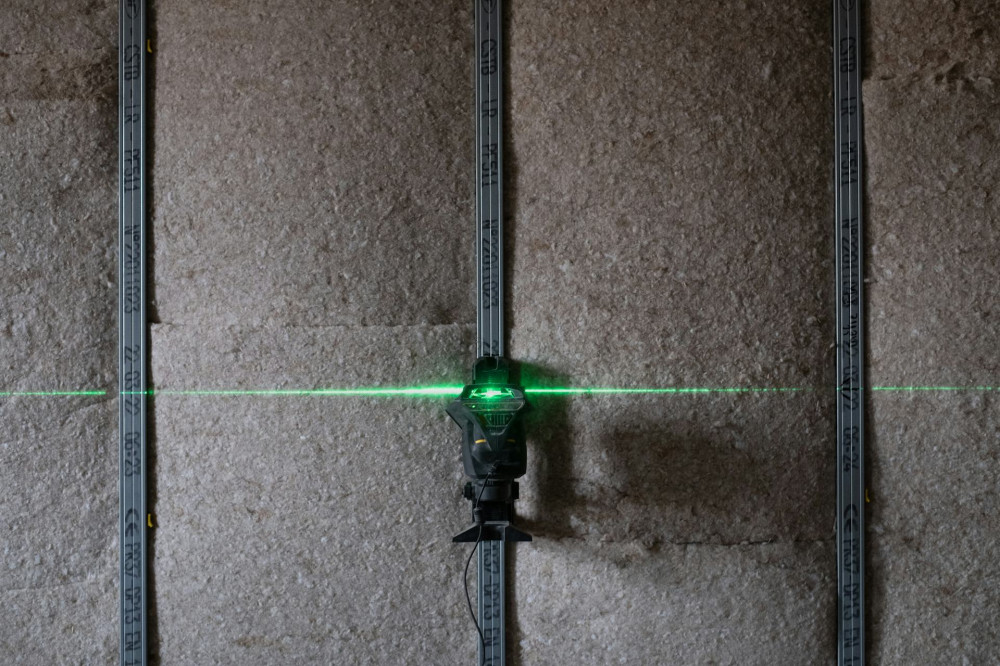
From Blueprint to Wall: How to Ensure a Strong and Beautiful Finish

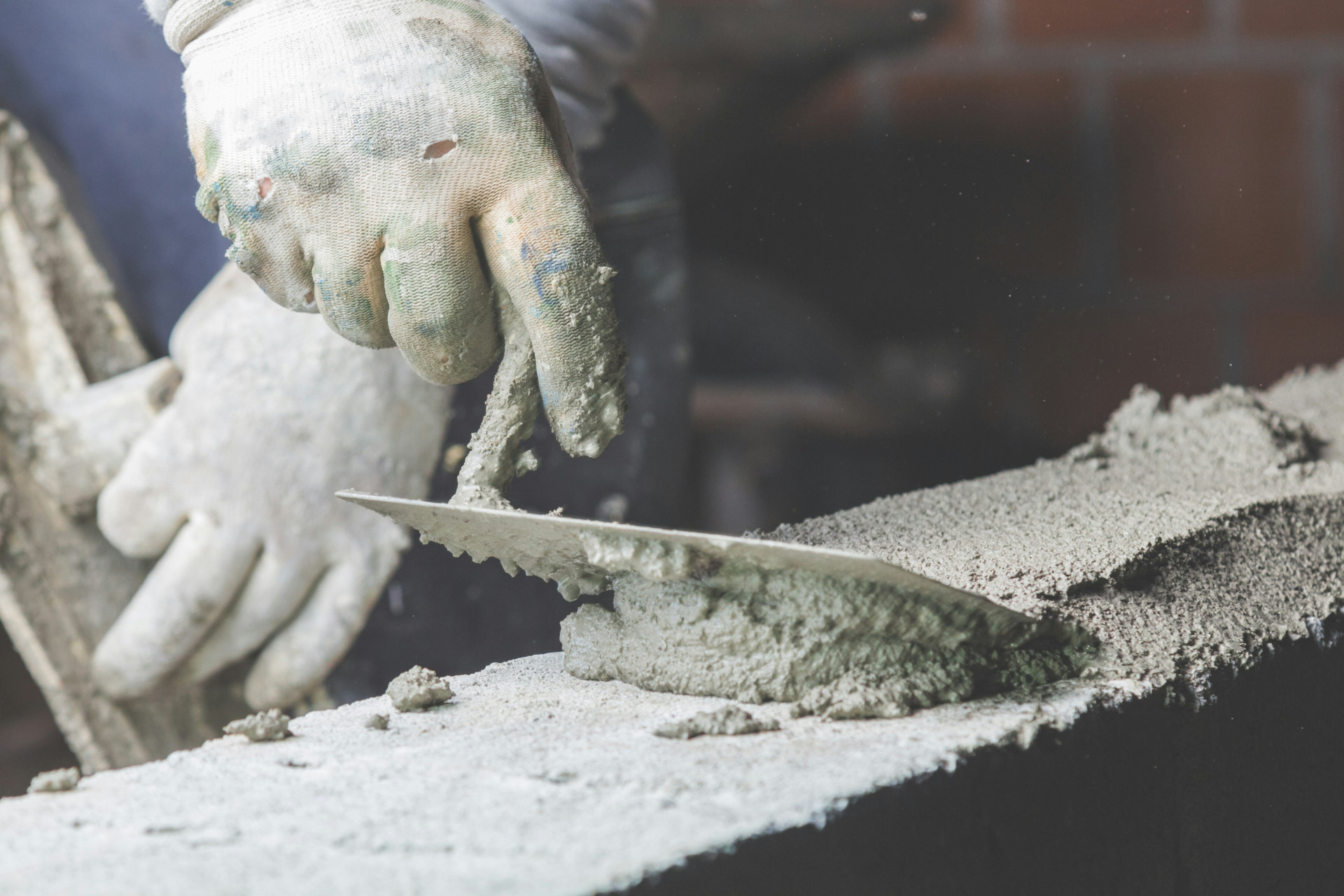
From Blueprint to Wall: How to Ensure a Strong and Beautiful Finish
A well-built wall begins long before the first brick is laid. Whether you’re constructing a new garden wall, updating your home’s exterior, or adding a structural feature, careful planning is key to achieving a result that’s both durable and visually appealing. A wall is more than a boundary—it’s part of your home’s character and must withstand weather, time, and daily wear. Here’s how to go from blueprint to wall with confidence and craftsmanship.
Start with a Solid Plan
Every successful project starts on paper. Before you pick up a trowel, take time to define the wall’s purpose, location, and materials. Is it a retaining wall, a privacy wall, or a decorative façade? Each type has different structural and design requirements.
Create a detailed plan that includes:
- Purpose and function – What do you need the wall to do?
- Materials – Which type of brick, block, or stone complements your home’s style and climate?
- Foundation and drainage – How will you ensure stability and prevent water damage?
- Permits and codes – Check local building codes and zoning regulations, especially if the wall is near a property line or public area.
A clear plan helps you avoid costly mistakes and ensures your wall meets both technical and aesthetic standards.
Choose the Right Materials
Brick, stone, and concrete blocks each offer unique advantages. Clay bricks are classic and durable, ideal for most climates. Concrete blocks are strong and cost-effective, while natural stone provides a timeless, high-end look. In regions with freeze-thaw cycles, choose materials rated for exterior use and resistant to moisture absorption.
Mortar is just as important as the masonry units themselves. The right mix provides flexibility and strength. Too hard a mortar can cause cracking, while too soft a mix may crumble over time. When in doubt, consult a local masonry supplier or contractor for guidance on the best materials for your project and climate.
Build on a Strong Foundation
Even the most beautiful wall will fail without a proper foundation. The footing should be deep enough to reach below the frost line—typically 36 inches or more in many parts of the U.S.—and wide enough to support the wall’s weight. Use compacted gravel beneath the footing for drainage and stability.
If you’re building a retaining wall or a freestanding wall exposed to strong winds, consider adding reinforcement such as rebar or geogrid. A well-built foundation distributes weight evenly and prevents settling or cracking over time.
Lay Each Brick with Care
When it’s time to build, precision and patience are your best tools. Start at the corners and use a mason’s line and level to keep each course straight and even. Maintain consistent joint thickness—usually about 3/8 inch—and ensure mortar fills the joints completely.
Work methodically, checking alignment frequently. It’s better to take your time than to correct mistakes later. Protect your work from rain or freezing temperatures while the mortar cures, as moisture and cold can weaken the bond.
Finishing Touches: Joints and Appearance
Mortar joints do more than hold bricks together—they define the wall’s look. You can choose from several joint styles, such as concave, flush, or raked, depending on the desired appearance. A properly tooled joint also helps shed water and prevent damage.
Once the wall is complete, brush off excess mortar and allow it to cure fully before cleaning. Avoid using a pressure washer, which can erode the joints. A gentle rinse with water and a soft brush is usually sufficient.
Maintenance for Longevity
Brick and stone walls require little maintenance, but regular inspection can extend their life significantly. Look for cracks, loose joints, or signs of moisture damage. Address small issues early to prevent larger repairs later.
Keep vegetation like ivy or moss under control, as it can trap moisture and weaken the surface. A mild cleaning once a year helps maintain both appearance and integrity.
When to Call a Professional
While many small masonry projects are manageable for experienced DIYers, larger or structural walls often benefit from professional expertise. A licensed mason can ensure proper design, materials, and construction techniques—especially for load-bearing or retaining walls.
Combining your vision with professional skill often yields the best results: a wall that’s both strong and stunning.
From Blueprint to Wall – A Craft of Strength and Style
Building a wall is more than stacking bricks; it’s a blend of planning, precision, and artistry. By taking the time to design carefully, choose quality materials, and work with attention to detail, you’ll create a wall that stands firm and looks beautiful for decades to come—a lasting testament to craftsmanship and care.