From Darkroom to Pixels: The Digital Evolution of Home Photography Art
From Darkroom to Pixels: The Digital Evolution of Home Photography Art
Photography has always been a meeting point between craft and creativity – a balance of technical skill and personal vision. Where photographers once spent hours in darkrooms surrounded by chemicals, film, and enlargers, today they can create, edit, and display their work from the comfort of their living rooms. The digital revolution hasn’t just changed how we take pictures; it has transformed how we think about and experience photographic art at home.
From Film Roll to File Format
The shift from analog to digital photography began in earnest in the 1990s, but it wasn’t until the 2000s that digital cameras became truly mainstream. Suddenly, anyone could take hundreds of photos without worrying about film rolls or development costs. This accessibility changed both the pace and the culture of photography.
For hobbyists, it meant freedom: the ability to experiment, make mistakes, and see results instantly. For fine art photographers, it opened new creative doors – digital manipulation, layering, color grading, and compositing became part of the artistic toolkit. The camera was no longer just a recording device; it became a gateway to endless visual possibilities.
The Home as Studio
In the past, a darkroom required space, equipment, and patience. Today, a full digital studio can fit on a laptop. Software like Adobe Lightroom, Capture One, and Photoshop allows photographers to work professionally from home, and many artists have moved their entire creative process into their personal spaces.
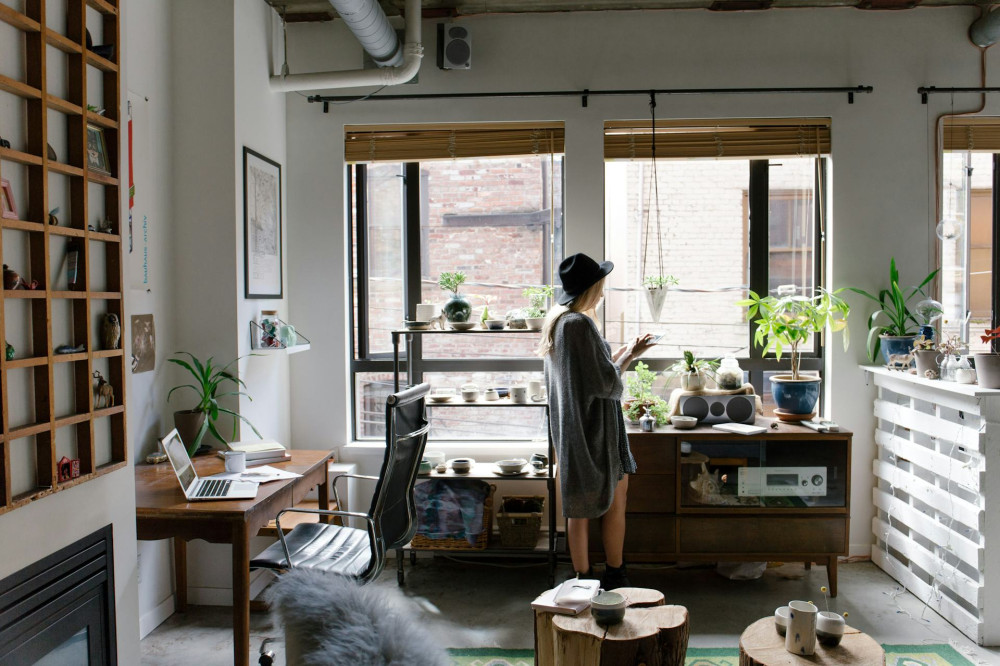
A corner of a living room can serve as a mini studio with a few lights and a neutral backdrop. A desk can become a powerful editing station, and high-quality prints can be ordered online in gallery sizes. The democratization of technology has made it possible for more people to express themselves artistically without needing a dedicated workshop or studio space.
New Ways to Display
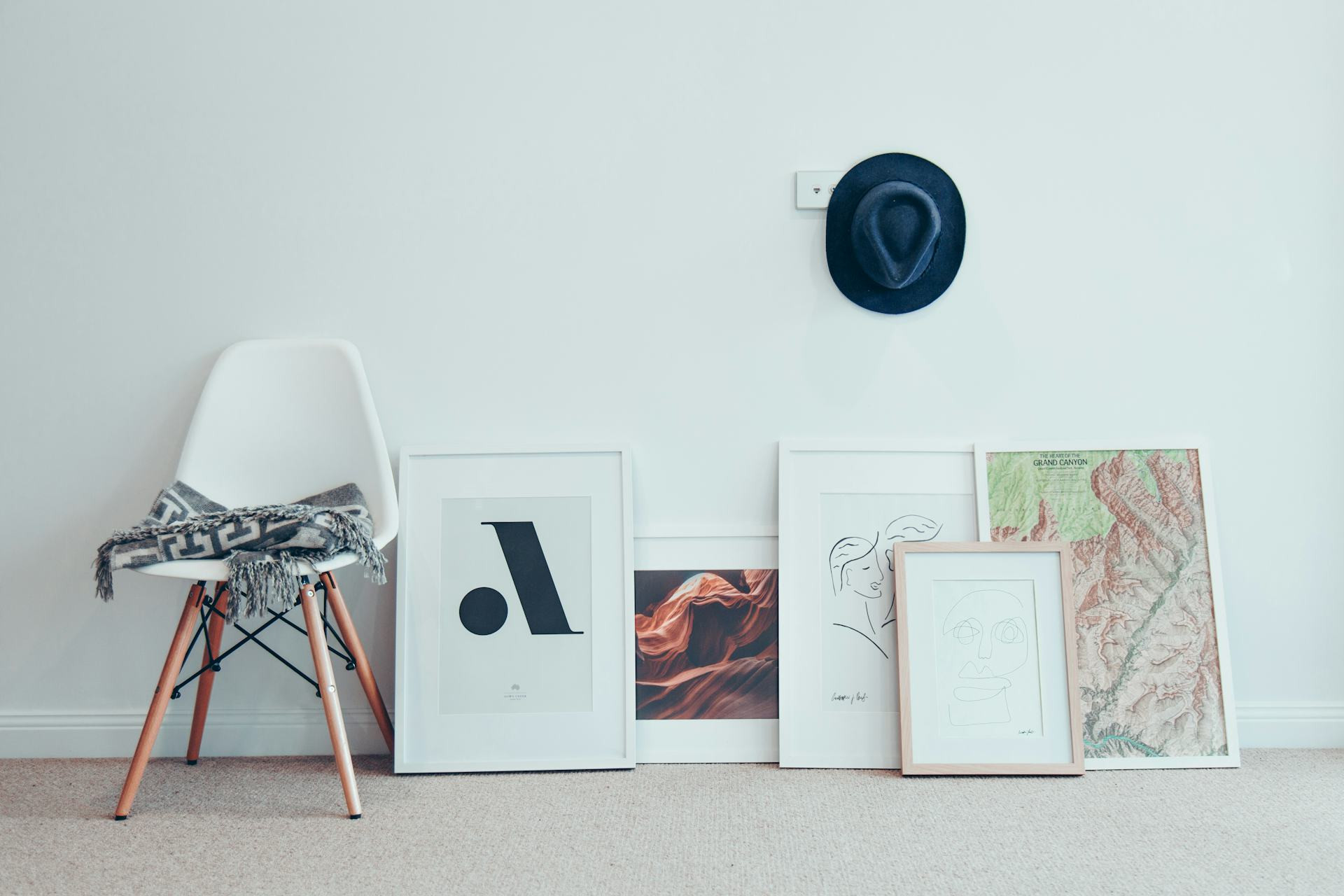
Home photo art is no longer limited to framed prints on the wall. Digital photo frames, projectors, and smart displays allow images to move, shift, and evolve. Some homeowners curate rotating digital galleries, turning their living spaces into dynamic art installations.
At the same time, social media and online platforms have become global exhibition spaces. Instagram, Flickr, and personal websites let photographers share their work instantly with audiences around the world. Feedback, inspiration, and collaboration are just a few clicks away, blurring the line between private creation and public display.
A Changing Aesthetic
The digital era has also reshaped our visual sensibilities. Analog photography was defined by its limitations – 36 exposures per roll, fixed ISO, and the unpredictability of light. Digital photography, by contrast, is defined by abundance and control. The ability to perfect, retouch, and manipulate has created a new aesthetic where precision and polish often take center stage.
Yet, a counter-movement has emerged. Many photographers are rediscovering the charm of film, either by using vintage cameras or by emulating analog textures through digital filters. This nostalgia coexists with innovation, showing that photography today embraces both the tactile past and the limitless digital future.
Getting Started at Home
Exploring photographic art from home doesn’t require a professional setup. A good camera – or even a modern smartphone – is enough to begin. Here are a few simple steps to get started:
- Create a small workspace with good lighting and a neutral background.
- Learn your editing software – there are countless free tutorials online.
- Experiment with themes like light, texture, or motion.
- Print your photos – seeing your work on paper offers a different perspective.
- Exhibit digitally – share your creations on social media or build a small online portfolio.
The key is to play, explore, and develop your own visual language. Photography is as much about seeing as it is about capturing.
From the Magic of the Darkroom to the Freedom of the Screen
The darkroom had its own poetry – the red glow of the safelight, the scent of chemicals, the slow emergence of an image on paper. But the digital age has made photographic art more accessible than ever. Today, anyone can create, refine, and share images with just a few clicks. The magic hasn’t disappeared; it has simply changed form.
Home photography art reflects the spirit of our time: personal, technological, and endlessly adaptable. From darkroom to pixels, the journey continues – and it’s only just beginning.