Light for Creativity: How to Choose Energy-Efficient Lighting for Your Hobbies

Light for Creativity: How to Choose Energy-Efficient Lighting for Your Hobbies
Whether you’re sewing, painting, building models, or working with wood, lighting plays a crucial role in both the quality of your work and your overall experience. The right light can bring out colors, reduce eye strain, and create a comfortable atmosphere that fuels creativity. And with today’s energy-efficient options, you don’t have to sacrifice performance to save on your electric bill. Here’s how to choose lighting that supports your hobbies while keeping energy use low.
Understand How Light Affects Your Work
Lighting isn’t just about visibility—it influences focus, mood, and precision. Too little light can cause fatigue and headaches, while overly harsh or poorly colored light can distort the way you see your materials.
When choosing lighting for creative work, consider three key factors:
- Brightness (lumens) – measures how much light a bulb produces. The more detailed your work, the higher the brightness you’ll need.
- Color temperature (kelvin) – indicates whether the light appears warm or cool. Daylight-like light (around 5000–6500 K) is ideal for detailed or color-sensitive tasks, while warmer light (2700–3000 K) creates a cozy, relaxed feel.
- Color Rendering Index (CRI) – shows how accurately colors appear under the light. For creative hobbies, look for a CRI of 90 or higher to ensure true-to-life color representation.
Choose Energy-Efficient Light Sources
LED bulbs are the go-to choice for hobby lighting today. They use up to 80% less energy than traditional incandescent bulbs and last many times longer. Plus, they come in a wide range of styles and color temperatures to suit any workspace.
When selecting LEDs, keep these points in mind:
- Dimmable options let you adjust brightness for different times of day or types of work.
- High-quality bulbs are worth the investment—cheap LEDs can flicker or have poor color accuracy.
- ENERGY STAR® certification helps you identify the most efficient and reliable products available in the U.S. market.
Layer Your Lighting
A well-lit workspace rarely relies on a single light source. Combining different types of lighting creates both functionality and atmosphere.
- Ambient lighting – provides general illumination for the room. Ceiling fixtures or LED panels with wide light distribution work well.
- Task lighting – focuses light directly on your work area. A flexible-arm desk lamp with a bright, high-CRI LED bulb is ideal.
- Accent or mood lighting – adds warmth and comfort when you’re not working intensely, such as wall sconces or small table lamps.
Layering these types of light helps prevent harsh shadows and reduces eye strain.
Pay Attention to Placement and Reflection
Even the best lamp can perform poorly if it’s positioned incorrectly. Aim for light that falls diagonally across your workspace—ideally from the side opposite your dominant hand to avoid casting shadows. For example, if you’re right-handed, place your main light source to the left.
Light-colored walls and surfaces help reflect light evenly throughout the room, while glossy materials can cause glare. If you work with paper, glass, or metal, choose matte finishes where possible to minimize reflections.
Make Lighting Flexible
Many hobbies require different lighting setups depending on the task or time of day. Flexibility makes your space more comfortable and efficient.
- Portable lamps with clamps or stands let you move light where you need it.
- Smart lighting systems allow you to adjust brightness and color temperature via an app or voice control.
- Zoned lighting divides your space into areas with different light levels—bright for detailed work, softer for relaxation.
Go Green and Save Energy
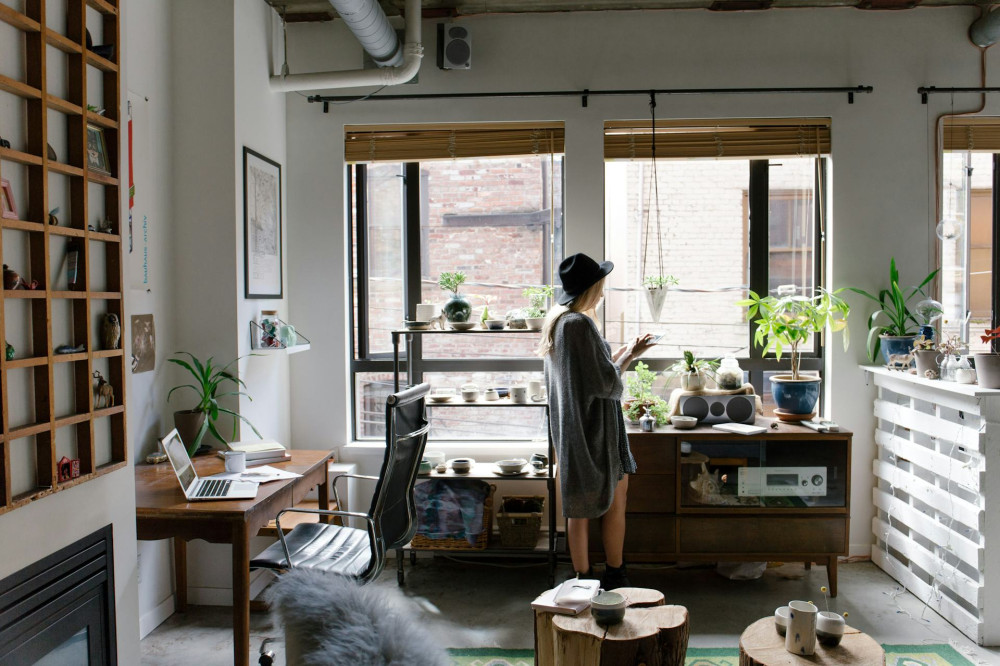
Energy efficiency isn’t just about the bulbs—it’s also about habits. Turn off lights when you leave the room, and consider motion sensors or timers if you tend to forget. Choose fixtures with low standby power use, and make the most of natural daylight. Positioning your workspace near a window can significantly reduce the need for artificial light during the day.
Light That Inspires
The right lighting can transform your hobby space from a simple work area into an inspiring creative haven. By combining energy-efficient technology with thoughtful placement and flexibility, you’ll enjoy better results, greater comfort, and lower energy costs. It’s a bright idea for both your creativity and your wallet.