Linoleum Flooring at Home? What to Consider Before You Decide

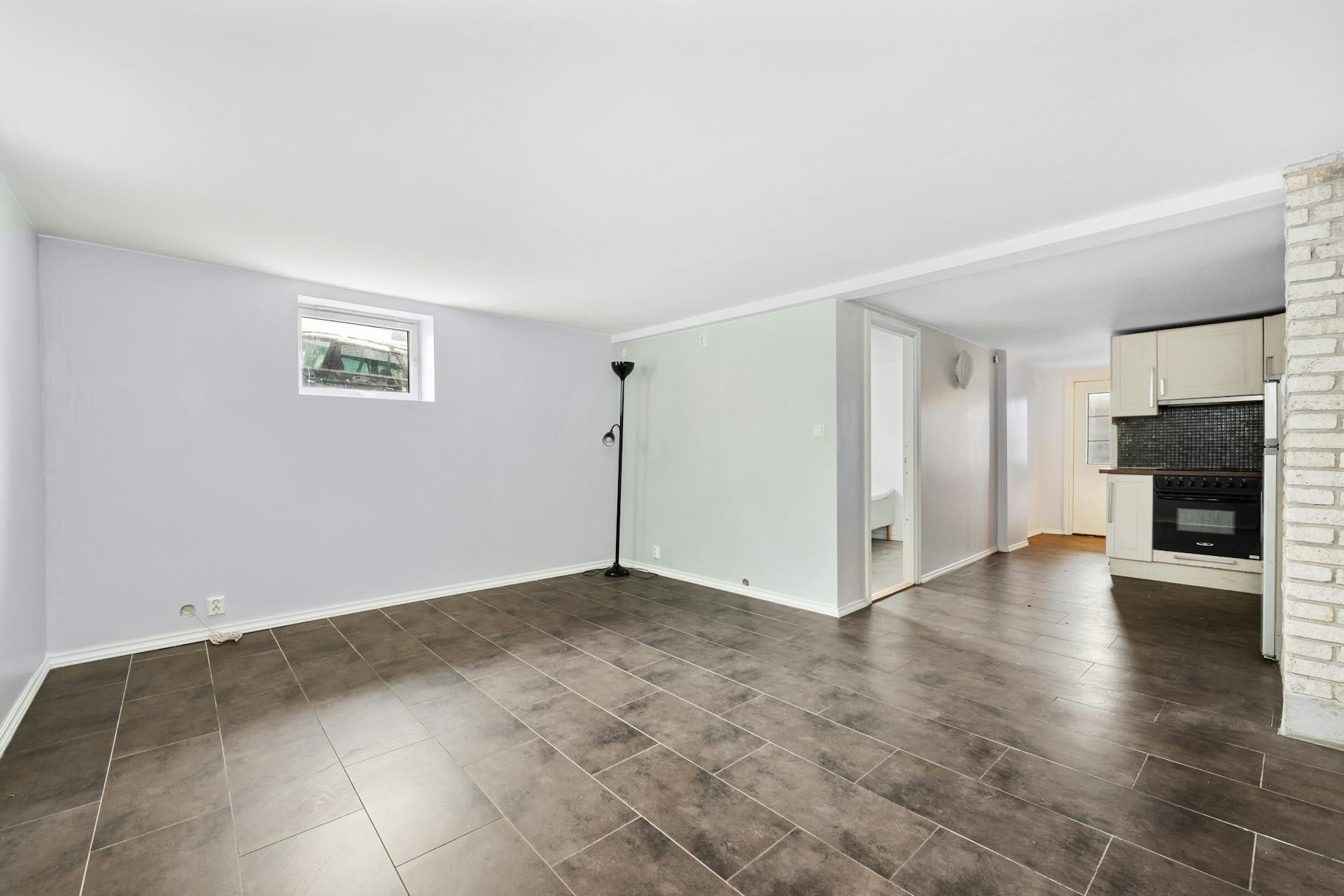
Linoleum Flooring at Home? What to Consider Before You Decide
Linoleum flooring has been making a quiet comeback in American homes. Once associated mainly with schools and hospitals, this classic material is now appreciated for its sustainability, durability, and timeless appeal. But before you commit to linoleum, it’s worth understanding what it’s made of, how it performs, and whether it’s the right fit for your home. Here’s what to know before you decide.
What Is Linoleum, Exactly?
Linoleum is a natural flooring material that’s been around for more than 150 years. It’s made from linseed oil, pine resin, wood or cork flour, limestone, and natural pigments, all pressed onto a jute backing. The result is a resilient, flexible, and eco-friendly surface that comes in a wide range of colors and patterns.
Unlike vinyl, which is made from plastic and contains PVC, linoleum is biodegradable and free of synthetic additives. That makes it a popular choice for homeowners who want a healthier indoor environment and a more sustainable home.
Advantages of Linoleum Flooring
There are several reasons linoleum is regaining popularity in modern interiors:
- Sustainability: Made from renewable, natural materials, linoleum has a low environmental impact and can even be composted at the end of its life.
- Durability: When properly installed and maintained, linoleum can last 25 to 40 years, making it a long-term investment.
- Comfort: It’s slightly soft underfoot and warmer than tile, which makes it comfortable to walk on, especially in kitchens or playrooms.
- Hygiene: Linseed oil has natural antibacterial properties, helping the surface resist bacteria and dirt.
- Design Variety: Linoleum is available in sheets, tiles, and click-together planks, with colors ranging from subtle neutrals to bold, modern tones.
Drawbacks and Limitations
Despite its many benefits, linoleum isn’t perfect for every space. Here are a few things to keep in mind:
- Moisture Sensitivity: Linoleum doesn’t handle standing water well, so it’s not suitable for bathrooms, laundry rooms, or damp basements.
- Installation Requirements: It needs to be installed on a smooth, dry, and level subfloor. Professional installation is often recommended to ensure seams are sealed properly.
- Color Changes: Prolonged exposure to direct sunlight can cause slight color fading or yellowing over time.
- Maintenance Needs: Linoleum requires regular cleaning with mild products and occasional polishing or sealing to maintain its protective finish.
Where Linoleum Works Best
Linoleum is ideal for high-traffic areas where you want a durable yet comfortable surface—such as kitchens, entryways, home offices, or children’s rooms. It’s also a good option for apartments or multi-story homes, as it helps reduce footstep noise.
Avoid using linoleum in areas with high humidity or frequent water exposure. In those spaces, consider ceramic tile, vinyl, or waterproof laminate instead.
Care and Maintenance
Keeping linoleum looking its best is relatively simple. Sweep or vacuum regularly to remove dust and grit, and mop occasionally with a neutral cleaner. Avoid harsh chemicals or excessive water, which can damage the surface.
To preserve its finish, apply a linoleum polish or sealer periodically. This helps protect against wear and gives the floor a soft, matte sheen.
Cost and Longevity
In the U.S., linoleum typically costs about the same as mid-range laminate or luxury vinyl flooring, though prices vary depending on brand, thickness, and installation method. While the upfront cost may be slightly higher than vinyl, linoleum’s long lifespan and low environmental impact make it a cost-effective choice over time.
A Thoughtful, Sustainable Choice
Linoleum combines practicality, beauty, and environmental responsibility in one classic material. It may require a bit more care than synthetic flooring, but the payoff is a natural, warm, and durable surface that can enhance your home for decades.
If you’re looking for a floor that’s eco-friendly, comfortable, and full of character, linoleum is worth serious consideration—just be sure to match it to the right rooms and give it the maintenance it deserves.