Prevent Future Sewer Damage with Proper Installation and Material Selection

Prevent Future Sewer Damage with Proper Installation and Material Selection
A well-functioning sewer system is essential for a healthy and safe home. Yet, sewer damage remains one of the most overlooked causes of water intrusion, foundation issues, and costly repairs. Many of these problems can be prevented if the system is installed correctly from the start—with the right materials, slopes, and connections. Here’s how proper planning, professional installation, and smart material choices can help you avoid future sewer damage.
Why Sewer Damage Happens
Sewer line failures can occur for several reasons, but the most common include:
- Soil movement and settling – Shifting ground can cause pipes to crack, sag, or separate at the joints.
- Tree root intrusion – Roots naturally seek moisture and can infiltrate joints or small cracks, leading to blockages.
- Improper installation – Incorrect slope, poor sealing, or mismatched materials can all lead to leaks and backups.
- Aging and corrosion – Older clay, cast iron, or Orangeburg pipes deteriorate over time, becoming brittle or porous.
Once damage occurs, repairs can be invasive and expensive. Preventing problems through proper installation and maintenance is far more cost-effective.
Proper Installation – The Foundation of a Reliable System
Sewer installation should always be performed by a licensed plumber or contractor familiar with local building codes. Correct installation ensures that slope, alignment, and connections meet required standards. Key principles include:
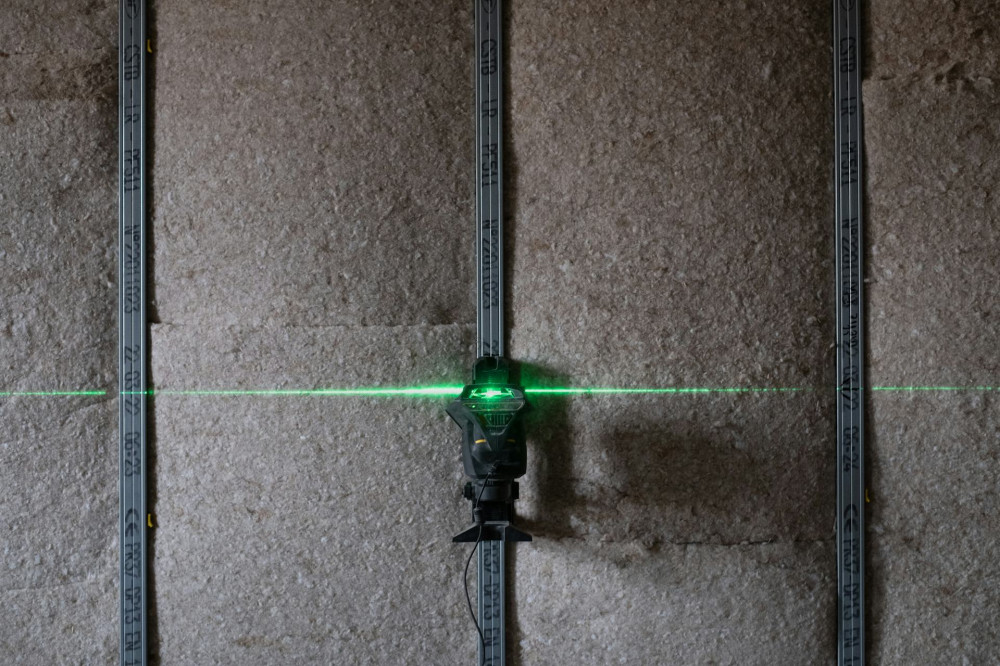
- Correct slope: Sewer lines should have a consistent slope—typically about 1/4 inch per foot for 4-inch pipe—to allow wastewater to flow freely without leaving solids behind. Too steep a slope can cause water to outrun solids, while too shallow a slope increases the risk of clogs.
- Stable bedding: Pipes should rest on a firm, even base of sand or gravel to prevent shifting or sagging over time.
- Watertight joints: Use approved couplings and check that gaskets are properly seated. Even small leaks can lead to soil erosion or root intrusion.
- Access points for inspection: Include cleanouts and access points so the system can be inspected and maintained without excavation.
A properly installed sewer system not only functions better but also protects your home’s foundation and surrounding soil from contamination.
Choosing the Right Materials
The choice of pipe material depends on soil conditions, load requirements, and local regulations. Common options include:
- PVC (Polyvinyl Chloride): Lightweight, corrosion-resistant, and easy to install. PVC is the most common material for residential sewer lines in the U.S.
- ABS (Acrylonitrile Butadiene Styrene): Similar to PVC but slightly more impact-resistant and often used in colder climates.
- Cast Iron: Durable and quiet, often used for interior drain lines. However, it can corrode over time and is heavier to work with.
- Clay or Concrete: Found in older systems and municipal lines. While strong, these materials are more prone to cracking and root intrusion.
Always choose materials that meet ASTM or local plumbing standards and are suitable for your soil type. In areas with high groundwater or corrosive soils, additional protective coatings or sleeves may be necessary.
Preventive Maintenance and Regular Inspection
Even the best-installed sewer system needs attention over time. Routine inspection and cleaning can catch small issues before they become major problems.
- Video inspection: A camera inspection can reveal cracks, misalignments, or root intrusion without digging.
- Regular cleaning: Periodic hydro-jetting or snaking removes buildup and keeps pipes flowing freely.
- Check cleanouts and access points: Ensure they remain sealed and accessible.
- Watch for warning signs: Slow drains, gurgling sounds, foul odors, or damp spots in the yard can all indicate developing issues.
Addressing these signs early can save thousands in repair costs and prevent property damage.
Adapting to Changing Weather Conditions
Across the U.S., heavier rainfall and flooding events are putting additional stress on sewer systems. To protect your home:
- Install a backwater valve – Prevents sewage from backing up into your home during heavy rain or municipal overloads.
- Separate stormwater from wastewater – Where possible, ensure that gutters and downspouts drain to the yard or storm system, not the sanitary sewer.
- Use permeable landscaping – Rain gardens, dry wells, and permeable pavers help manage runoff and reduce strain on the sewer line.
A modern sewer system should be designed not only for today’s needs but also for the more extreme weather patterns of the future.
A Smart Investment in Your Home’s Future
Proper sewer installation and material selection may seem like a large upfront expense, but it’s an investment that pays off in reliability, safety, and peace of mind. By hiring a licensed professional, choosing quality materials, and maintaining your system regularly, you can ensure that your sewer line remains trouble-free for decades to come.