Roofing with Style – Find the Material That Fits Your Home

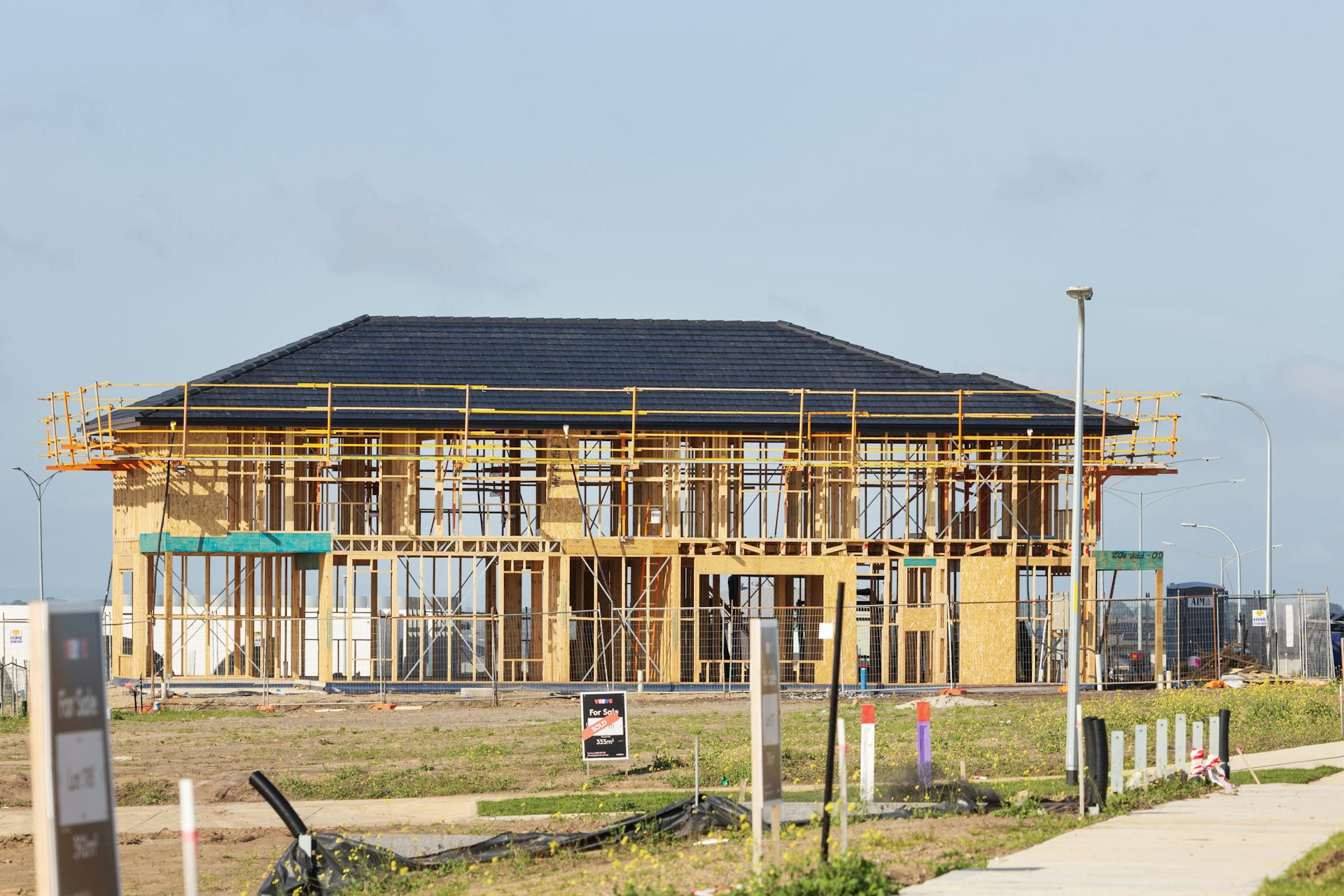
Roofing with Style – Find the Material That Fits Your Home
Your roof is one of the most defining features of your home – both visually and functionally. It shields you from the elements while shaping the overall look of your house. Choosing the right roofing material is therefore a decision that deserves careful thought. Should you go for classic asphalt shingles, sleek metal panels, or perhaps an eco-friendly green roof? Here’s a guide to help you find the roofing material that best fits your home, your style, and your budget.
Know Your Home – and Its Architecture
Before you pick a roofing material, start by considering your home’s architectural style. A roof that looks perfect on a modern ranch might not suit a historic Colonial or Craftsman bungalow.
- Traditional homes often look best with asphalt shingles or wood shakes that complement their timeless charm.
- Modern and contemporary houses pair well with standing-seam metal roofs or flat roofing systems that emphasize clean lines.
- Farmhouses and cottages can benefit from natural materials like wood or composite shingles that blend with the landscape.
Also, take your surroundings into account. A roof that harmonizes with the neighborhood and natural setting will create a more cohesive and appealing look.
The Most Popular Roofing Materials
There are many roofing options available in the U.S., each with its own strengths, costs, and maintenance needs. Here’s an overview of the most common choices.
Asphalt Shingles – The American Classic
Asphalt shingles are the most widely used roofing material in the United States. They’re affordable, easy to install, and available in countless colors and styles. A well-installed asphalt roof can last 20–30 years. Architectural shingles, a thicker and more dimensional version, offer improved durability and a more upscale appearance.
Metal Roofing – Durable and Modern
Metal roofs have become increasingly popular for their sleek look and long lifespan. They can last 40–70 years and are highly resistant to wind, fire, and snow. Available in steel, aluminum, or copper, metal roofing can mimic the look of shingles, tiles, or slate. It’s lightweight and energy-efficient, reflecting heat to help lower cooling costs. Proper insulation can also minimize noise during rainstorms.
Wood Shingles and Shakes – Natural and Timeless
Wood roofing, often made from cedar, redwood, or pine, gives a warm, rustic look that ages beautifully. Shakes are hand-split for a more textured appearance, while shingles are sawn for a smoother finish. Wood roofs require regular maintenance and are best suited for dry climates or areas where fire-resistant treatments are allowed.
Clay and Concrete Tiles – Elegant and Long-Lasting
Tile roofs are common in the Southwest and coastal regions, where their durability and heat resistance shine. Clay tiles offer a classic Mediterranean or Spanish look, while concrete tiles provide a more budget-friendly alternative. Both are heavy and require a strong roof structure but can last 50 years or more with minimal upkeep.
Slate – Sophisticated and Enduring
Slate is a natural stone that exudes elegance and can last over a century. It’s one of the most durable roofing materials available, resistant to fire, mold, and temperature extremes. However, it’s also one of the most expensive and heaviest options, making professional installation essential. Synthetic slate offers a lighter, more affordable alternative with a similar appearance.
Green and Solar Roofs – Sustainable and Smart
For homeowners focused on sustainability, green roofs and solar shingles are innovative options. A green roof, covered with vegetation, improves insulation, reduces stormwater runoff, and supports local biodiversity. Solar shingles, on the other hand, generate electricity while protecting your home, combining function and eco-conscious design.
Consider Climate, Maintenance, and Budget
Choosing a roof isn’t just about looks. Your local climate, maintenance preferences, and budget all play key roles.
- Climate: In snowy or windy regions, choose materials that can handle heavy loads and strong gusts. In hot climates, reflective or light-colored roofs can help keep your home cooler.
- Maintenance: Some materials, like metal or asphalt, require little upkeep, while wood or green roofs need more attention.
- Cost and lifespan: A cheaper roof may save money upfront, but a more durable material can be a better long-term investment.
Consulting a licensed roofing contractor can help you determine what your home’s structure can support and which materials perform best in your area.
Color and Details Make the Difference
The color of your roof has a big impact on your home’s overall appearance. Dark roofs create a bold, grounded look, while lighter shades can make a house appear larger and more open. Don’t overlook the details—gutters, flashing, skylights, and even solar panels all contribute to the final impression.
If you live in a neighborhood with a homeowners association (HOA), check for any restrictions on roofing materials or colors before making your choice.
A Roof That Protects and Enhances Your Home
A new roof is a major investment, but it’s also an opportunity to refresh your home’s character and improve its performance. By choosing with care—balancing style, function, and quality—you’ll end up with a roof that not only protects your home but also enhances its beauty for decades to come.