Time to Paint Again? How to Tell When Your Walls and Ceilings Need a Refresh

Time to Paint Again? How to Tell When Your Walls and Ceilings Need a Refresh
A fresh coat of paint can completely transform a room. Colors look brighter, light bounces more evenly, and the space feels cleaner and more inviting. But how do you know when it’s time to repaint? Here’s a guide to help you recognize the signs that your walls and ceilings could use a refresh—and what to consider before you start.
Look for the Obvious Signs
The most straightforward clue is visible wear and tear, but that can show up in different ways:
- Discoloration and stains – Common in kitchens, hallways, and kids’ rooms, where walls are exposed to grease, fingerprints, and everyday messes.
- Cracks and peeling paint – Often appear in older homes or areas with temperature and humidity changes.
- Dull or uneven surfaces – Paint naturally loses its sheen over time, especially in rooms with lots of sunlight.
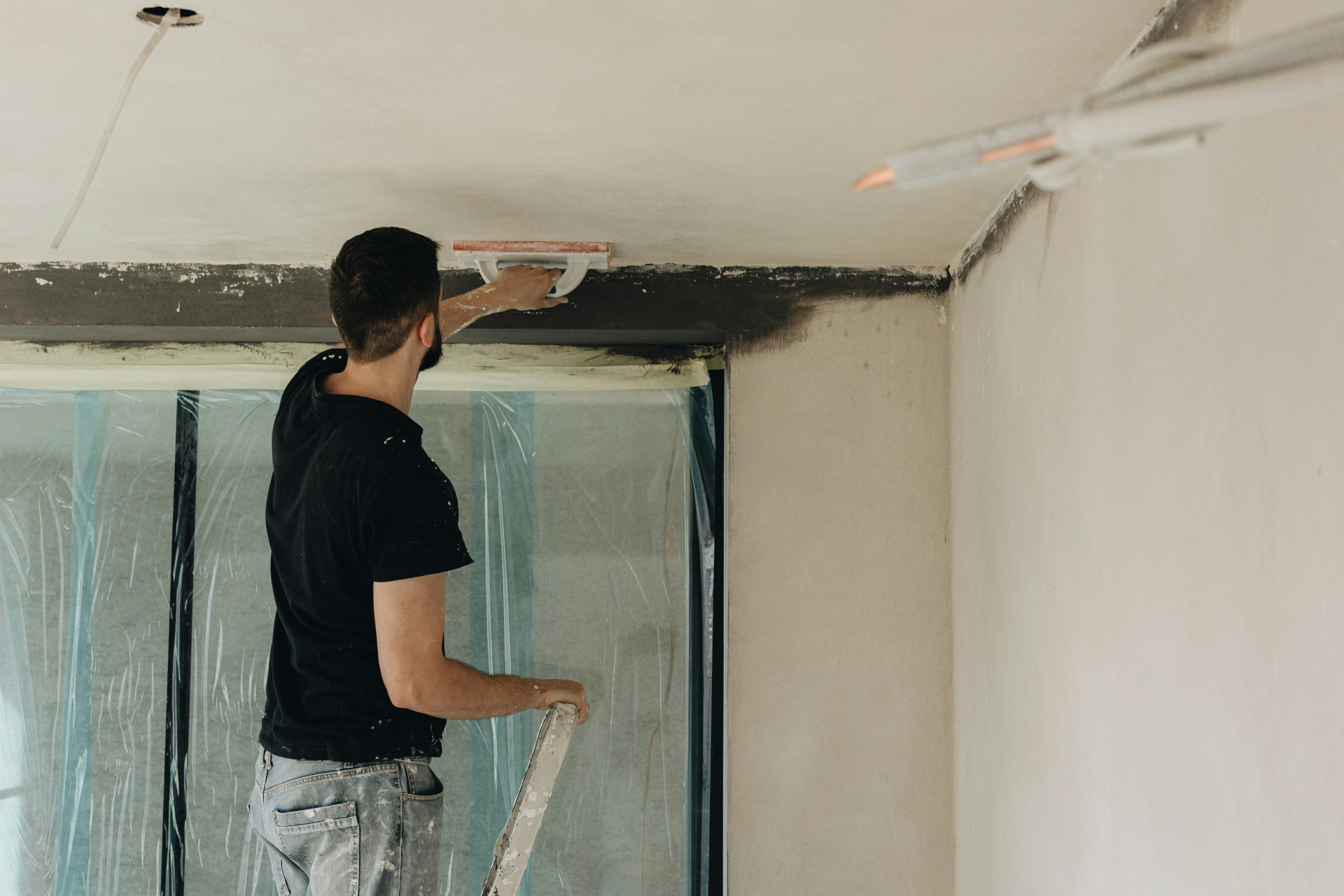
- Smoke or water damage – Yellowish or grayish patches that don’t wash off are a sure sign it’s time to repaint.
If you notice several of these issues, a new coat of paint will make a big difference.
How Often Should You Repaint?
There’s no one-size-fits-all rule, but here are some general timelines most homeowners in the U.S. can follow:
- Living rooms and bedrooms: Every 7–10 years, depending on sunlight exposure and wear.
- Kitchens and hallways: Every 4–6 years, since these areas see the most traffic and grime.
- Bathrooms (walls and ceilings outside the shower area): About every 5 years, using moisture-resistant paint.
- Ceilings: Often last 10–12 years, but they can yellow over time, especially in rooms with cooking fumes or fireplaces.
If you have young children, pets, or a busy household, you may need to repaint more frequently.
Clean or Repaint? Do a Quick Test
Before you commit to painting, check whether your walls just need a good cleaning. Wipe a small area with a damp cloth and mild detergent. If the color brightens and stains disappear, you might be able to skip painting for now. But if the paint rubs off on the cloth or the surface still looks uneven, the finish has likely broken down—and it’s time to repaint.
How Light and Color Change Over Time
Sunlight can fade or yellow paint pigments. Light colors may develop a warmer tint, while darker shades can lose their depth. You might notice uneven tones when you move furniture or artwork that’s been covering part of the wall. If your walls no longer match evenly, a fresh coat of paint will restore a consistent, clean look.
Don’t Forget the Ceilings
Ceilings are easy to overlook, but they have a big impact on how bright and open a room feels. A ceiling that’s turned gray or yellow can make the entire space seem dull. Repainting it white or a light neutral color can instantly make the room feel larger and more inviting. If you’re already painting the walls, it’s worth doing the ceiling too for a seamless finish.
While You’re at It
Once you’ve decided to paint, take the opportunity to rethink your color choices. Maybe your living room could use a warmer tone, or your bedroom would feel more relaxing with a softer shade. Before painting, fill any small holes or cracks and sand rough spots. Proper prep work is key to a smooth, long-lasting result.
A Fresh Start for Your Home
Painting isn’t just about looks—it also protects your walls from moisture, dirt, and daily wear. A new coat of paint can make cleaning easier and give your home a renewed sense of comfort and style. So the next time your rooms start to feel a little tired, don’t rush to redecorate or replace furniture. It might just be your walls and ceilings asking for a fresh coat of paint.