When the Flood Hits – Use the Experience to Make Your Home More Resilient

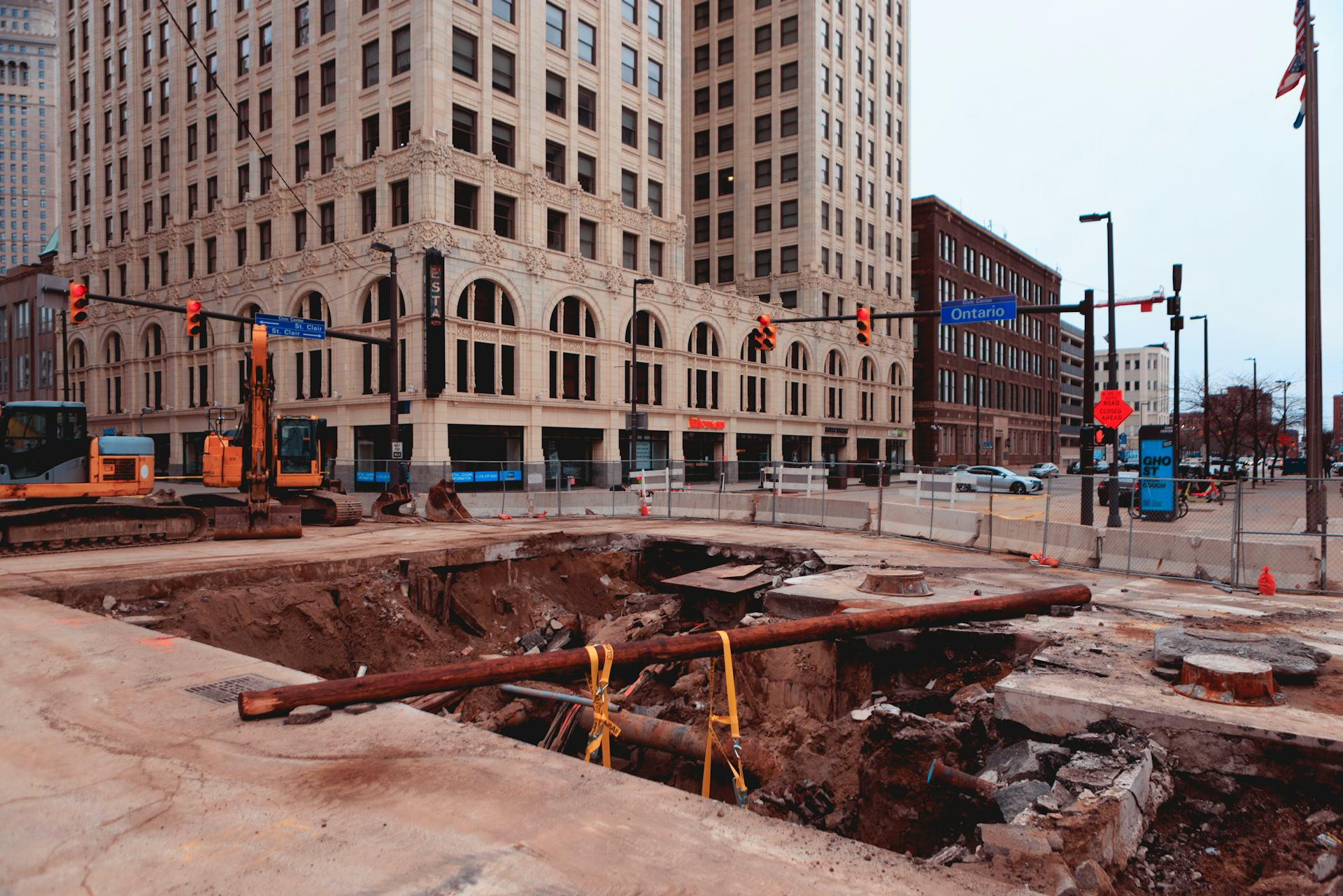
When the Flood Hits – Use the Experience to Make Your Home More Resilient
When water suddenly fills your basement and the drains can’t keep up, it’s a shock. Floods often strike without warning—after heavy rain, snowmelt, or a hurricane—and leave behind both practical and emotional damage. But once the worst is over, the experience can become a turning point: an opportunity to make your home stronger for the next time. Here’s how to learn from what happened and build resilience into your home.
Start by Understanding Where the Water Came From
Before you start repairs or upgrades, figure out how the water entered your home. Was it sewage backing up through drains? Rainwater flowing in from the yard? Or groundwater rising from below?
- Sewer backup often comes up through floor drains, toilets, or laundry hookups when the municipal system is overloaded.
- Surface water can enter through doors, window wells, or vents if the ground slopes toward the house.
- Groundwater seeps up from below, especially in low-lying areas or after long periods of rain.
A licensed plumber or flood-mitigation specialist can help identify the source and recommend solutions that fit your property.
Prevent Future Damage with Technical Solutions
Once you know the cause, you can choose the right preventive measures. Some require professional installation, while others are manageable DIY projects.
- Backwater valve: A device that prevents sewage from flowing back into your home. It can be installed on basement drains or the main sewer line.
- Sump pump: Essential for homes with basements in flood-prone areas. It collects and pumps out water before it rises to damaging levels.
- French drains or dry wells: Help redirect rainwater away from the foundation and into the ground.
- Grading and landscaping: Adjusting the slope of your yard or adding shallow swales can guide water away from your home.
- Flood vents: In flood zones, these allow water to flow through crawl spaces instead of building up pressure against walls.
While these improvements can be costly, many states and local governments offer grants or tax incentives for flood-mitigation projects. Check with your local emergency management office or FEMA’s Hazard Mitigation Grant Program.
Choose Materials and Layouts That Can Handle Water
If your basement or lower level has flooded, rebuild with durability in mind. Choose materials that can withstand moisture and design spaces to minimize damage next time.
- Use tile, concrete, or vinyl flooring instead of hardwood or carpet.
- Avoid drywall near the floor—opt for cement board or other water-resistant materials.
- Mount electrical outlets and wiring higher on the wall.
- Store belongings in plastic bins rather than cardboard boxes.
- Consider using the basement for storage or utilities instead of living space.
Small design choices can make a big difference when the next storm hits.
Turn the Experience into a Plan
A flood is a tough experience, but it also reveals your home’s weak points. Use that knowledge to create a plan for improvement and preparedness.
Make a checklist of what failed and what worked. Keep contact information for your insurance company, contractors, and local emergency services handy. Take photos of plumbing, drains, and electrical systems—these can help with future claims or upgrades.
Work with Neighbors and Local Authorities
Flooding rarely affects just one property. If your neighborhood experienced widespread water damage, it may point to larger drainage or infrastructure issues. Talk with your neighbors and contact your city or county to learn about planned improvements or community-based solutions.
Some communities are investing in rain gardens, retention ponds, permeable pavements, and green roofs to reduce runoff. Collective action can make a big difference in how well your area handles heavy rain.
Prepare for a Changing Climate
Climate change means heavier downpours and more frequent flooding in many parts of the U.S. Hoping it won’t happen again is no longer enough—you need to prepare. A resilient home isn’t necessarily an expensive one, but it’s a home designed with water in mind.
By combining smart engineering, durable materials, and thoughtful planning, you can reduce future damage and even increase your property’s value. The lessons from one flood can become the foundation for a safer, stronger, and more sustainable home.